

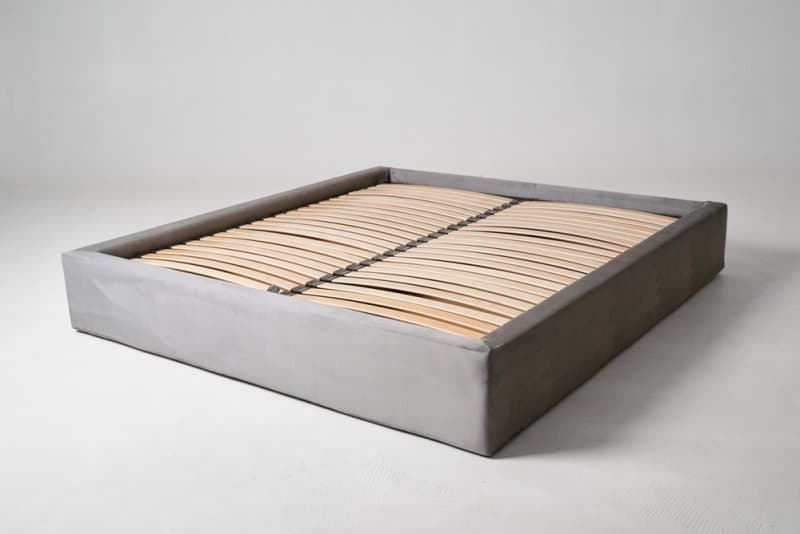
Be honest. When did you last think about your bed frame? Most of us obsess over the mattress, then stick it on whatever base is nearby. Big mistake. A shaky frame creaks at 2 a.m., sags in the middle, and quietly wears your mattress out. So what are the best bed frames, really? Let’s sort it out together, from materials and storage to size and price, in plain language.
A frame has one job. It keeps your mattress flat, steady, and off the floor, where moisture loves to hide. Simple enough, right? Yet plenty of cheap frames fail at exactly that. You’ll feel it as a wobble when you turn over or a squeak every time your partner sits down. Strong slats, solid joints, and decent legs fix most of that, and they’re worth a little extra cash.
Walk into any showroom, and the choices pile up fast. Luckily, most types of bed frames fit into a few simple groups. This table shows how they stack up.
| Frame Type | Best For | Keep in Mind |
| Platform | Simple setups with no box spring | Some sit quite low |
| Wooden | Classic, long-lasting rooms | Heavier to move |
| Metal | Tight budgets and easy assembly | Can creak if bolts loosen |
| Upholstered | A soft, hotel-style look | Fabric can stain |
| Storage | Small rooms | Needs open floor space |
| Adjustable | Reading and back comfort | Higher price |
Platform frames skip the box spring, which saves money and a few inches of height. Adjustable bases cost more, but anyone who reads in bed or deals with a stiff back tends to love them. Pick the style that matches how you really live in your bedroom, not how a catalog shows it.
Material changes everything, from the weight of the bed to the sound it makes at night. There’s no perfect pick, just the one that suits your home. Got a dog that jumps on the bed? Do you rearrange the room every spring? Those little details matter. Most people choose on looks, then regret it later. Slow down for a minute and compare the big three.
Nothing quite matches a wooden bed frame for that solid, lived-in feel. Oak, ash, and walnut shrug off years of use and handle heavy mattresses easily. The trade-off is weight. Moving one up a staircase is no fun, and the price runs higher than steel. Still, if you want something that looks like real furniture, wood earns its cost. Peek at the joints and make sure it’s real wood, not a thin veneer.
Metal bed frames get a bad rap, but a good one is a bargain. Steel is tough, light, and quick to put together, and many fold flat when you move. The catch is noise. Loose bolts make cheap models squeak, so snug them up every few months. Go for thick tubing and wide support bars. A powder-coated finish helps too, since it fights rust.
An upholstered bed frame makes a bedroom feel like a boutique hotel. That padded headboard is lovely for late-night reading, too. But fabric collects dust, spills, and pet hair, so pick a tight weave or a cover you can remove. Performance fabrics handle stains better than plain cotton. Got a cat who loves scratching? Leather or heavy linen will survive far longer. A quick monthly vacuum keeps everything fresh.
If your closet is bursting, probably yes. A storage bed frame turns that empty space under the mattress into real room for blankets, shoes, and suitcases. Drawer styles slide out from the side or foot. Lift-up styles raise the whole base on gas struts, which suits bulky things. One warning, though. Measure the floor beside the bed first, because drawers that can’t open fully are just expensive decoration.
A durable bed frame isn’t about the brand name. It’s about what’s under the fabric and paint. Before you buy, look for these.
Can you test it in person? Press down on the corners and listen. Shopping online? Read the reviews and search for words like wobble and squeak.
Here’s the honest truth about how to choose a bed frame. Plenty of returns happen because of size, not style. So measure before you fall in love with anything. Then check the support, and settle on a budget you can live with. Do those three things in that order, and you’ll skip the headache of a frame that blocks your closet door or can’t carry your mattress.
Start with your mattress size, anywhere from twin to California king. Next, grab a tape measure and map out the room. Leave around two feet of walking space on the sides that stay open. Then think about height. Too tall, and climbing in feels awkward. Too low, and getting up hurts your knees. Most adults feel happiest when the top of the mattress sits near knee level.
Your mattress decides what kind of support you need. Foam and hybrid models like closely spaced slats or a solid platform. Older innerspring beds sometimes want a box spring. Read the mattress warranty before buying, since wide gaps can void it with some brands. And if you’re buying a queen or king, make sure there’s a center support leg. Without one, the middle slowly dips, and you’ll roll toward it every night.
You can find a decent frame at almost any price. Plain steel ones start in the low hundreds, while solid hardwood and storage styles climb from there. Spend your money on the parts you can’t see, like slats, legs, and the warranty. Skip the fancy extras you won’t touch. Wait for a holiday sale if you can, because discounts can be surprisingly big. Free returns are a nice safety net.
So, what makes the best bed frames? Not a single material or brand. It’s the right fit for your room, your mattress, and your wallet. Wood brings warmth, metal saves money, and fabric adds comfort. Need space? Add storage. And never skimp on slats or joints. Take your time, measure twice, and pick something you’ll still like in ten years. Better sleep is a pretty good return on a frame.
Aim for sturdy wood slats at least half an inch thick, with gaps of three inches or less. Thicker, closer slats share the load evenly, so your mattress won’t sag between them.
Not usually. If your frame has closely spaced slats or a solid platform, most foam and hybrid mattresses sit happily on top. Peek at your mattress warranty first, since some brands insist on certain support.
Most people like the top of the mattress near knee height, around 25 inches. Taller folks might want a little more, and older adults often prefer something slightly higher so standing up feels easier.
Not in every case. The thickness of the material is important, but a good design can overcome a lesser material. Examine the design features: strength of the joints, the distance between slats, weight load, and the guarantee of the frame, rather than simply gauging the frame's weight.
Tighten every bolt first, because loose hardware causes most squeaks. Then add felt pads or rubber washers at the joints, and slip a thin strip of cloth between the slats and side rails.
This content was created by AI