

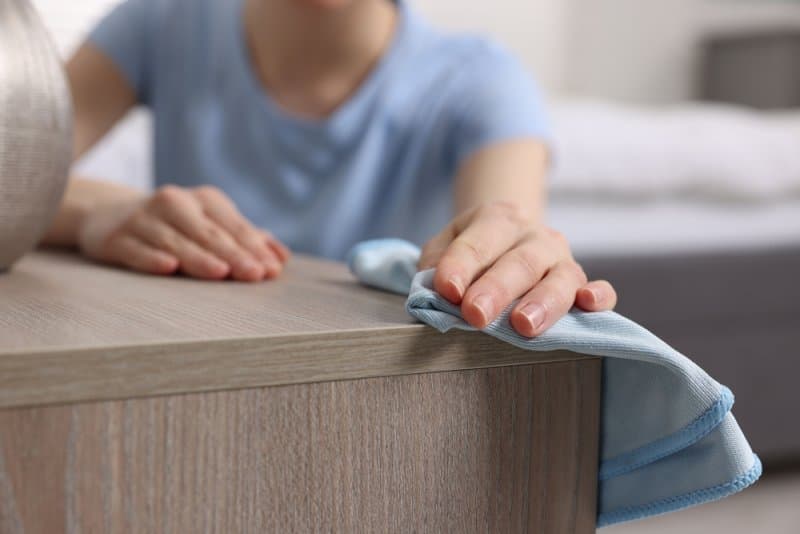
Bedroom furniture tends to gather dust, fingerprints, spills, and general grubbiness, even when it looks clean. Over time, these little accumulations can discolor finishes and even damage fragile surfaces.
There's no need to wait for extreme dirt to set in, though, if you are prepared with the right cleaning supplies and new habits to help preserve the life of your bedroom furniture. Here's a guide on how to clean bedroom furniture at home.
Knowing what type of material and finish you are working with is the first step in cleaning bedroom furniture. You cannot use the same cleaner on your wooden dresser, glass nightstand, metal bed frame, or upholstered headboard. The discoloration or scratches on your bedroom furniture could also be a result of using the wrong cleaner or excessive amounts of water.
The very first thing to do is to prepare some basic supplies for easy and safe cleaning. These include microfiber towels, soft dusters, a vacuum cleaner, spray bottles, and mild cleaning solutions that are perfect for your furniture. Always read the manufacturer's instructions before cleaning the entire item.
Remove dust and clean surfaces according to the material. Do not spray directly onto furniture; spray cleaning solution on a microfiber cloth and wipe, minimizing moisture in the fabric and allowing you to keep liquid out of any joints or seams.
Adopt a top-to-bottom cleaning order to ensure that dust doesn't settle on your already cleaned surfaces. Take off your decorative accessories, clean the surface, and clean the items before putting them back. This handy tip helps you clean bedroom furniture more easily and avoids contamination of dirt with the other items.
Dust settles on dressers, bedside tables, bookshelves, bed frames, and home décor. To pick up the dust instead of tossing it around, wipe with a dry microfiber cloth. For details and corners, like handles on dressers or carvings on furniture, use a soft-bristled brush to get into small spaces.
When cleaning for heavier dust accumulation, spray lightly with water on the microfiber cloth and wipe. Don't get the surface too wet, especially on wood and laminate pieces. Be sure to clean the bottom of decorative items, the sides of furniture, and around the legs, where dust is often missed.
Clean wood furniture carefully—you shouldn't use strong chemicals, lots of water, or rough scrub brushes or scourers, as they can harm the protective finish on the wood.
How to clean wooden dressers and nightstands: Remove all objects from the surface and gently brush off any loose dust.
When cleaning the furniture in your bedroom on a daily basis, briefly wipe the furniture with a damp cloth and follow the direction of the wood. Then dry immediately with a different cloth. Do not use all-purpose cleaning products without the manufacturer's approval for that finish.
If a metal bed frame or handle needs cleaning, use a soft cloth dampened with a mild soap and water solution. Make sure to wipe it down with a dry cloth so there is no rust left behind. Glass tabletops or mirrors will benefit from a glass cleaner, and your fingerprints/smudges will be polished out with a lint-free rag.
Learn how to clean upholstered headboards and bedroom chairs. Vacuum it often with an upholstery attachment to remove crumbs, hair, and dust. To remove stains, apply a fabric-safe cleaner as directed by the manufacturer, and never soak the piece.
Proper bedroom furniture care is not limited to occasional deep cleaning. As with any other piece of furniture, there are habits you can develop to keep stains, scratches, and dust away so regular cleaning will go much more smoothly.
Here are some practical bedroom furniture cleaning tips to follow:
Following these simple behaviors will also help you look after your bedroom furniture better and lessen the frequency of deep cleans.
It's important to clean your furniture regularly to prevent dirt, such as dust, buildup, and grime, and to keep it from becoming hard to clean when you do it. The frequency of cleaning would depend on the usage, dust in your room, and pets.
Dust off dressers, nightstands, and furniture at least once a week. Make sure you clean the dresser, nightstands, and other furniture that is hardly used. Hardly used dressers, nightstands, and other furniture are easily cleaned every month.
Don't forget that good bedroom furniture cleaning doesn't imply that you also deep-clean your bedrooms a couple of times a year. Keeping bedroom furniture clean and cared for is more about little tidbits of good hygiene.
Learning how to clean bedroom furniture can assist you in creating a comfortable, clutter-free, visually appealing room. By dusting often, using the proper cleaning tools, and being gentle on your bedroom furniture, daily dirt will not have such a drastic effect on its finish.
From wooden dressers and beds to upholstered headboards and metal bed frames, taking proper care of furniture is important.
Vinegar isn't for all furniture. It can be harsh on certain types of wood finishes, natural stone, and other surfaces. Check the product instructions and look for a specialized furniture cleaner first.
A mild dishwashing liquid in water may be effective for some washable surfaces. But it shouldn't be all you rely on. First, review furniture care instructions, use the least amount of moisture possible, and dry immediately.
Allow proper ventilation in your bedroom, do not put damp clothes in your drawers, and empty the furniture compartments regularly. And if the smell lingers, then deal with the dampness, leaks, and fungus rather than masking it with scent.
Dust and wipe furniture before you vacuum the floor. Dust and other loose debris will then be broken into the carpet and swept up by the vacuum. You also won't get part of the room cleaned twice if you do this in the correct order.
No, polishing wood with polish that isn't suitable can cause a cloudy appearance or leave a build-up of residue. Use a polishing product sparingly if the finish allows.
This content was created by AI