

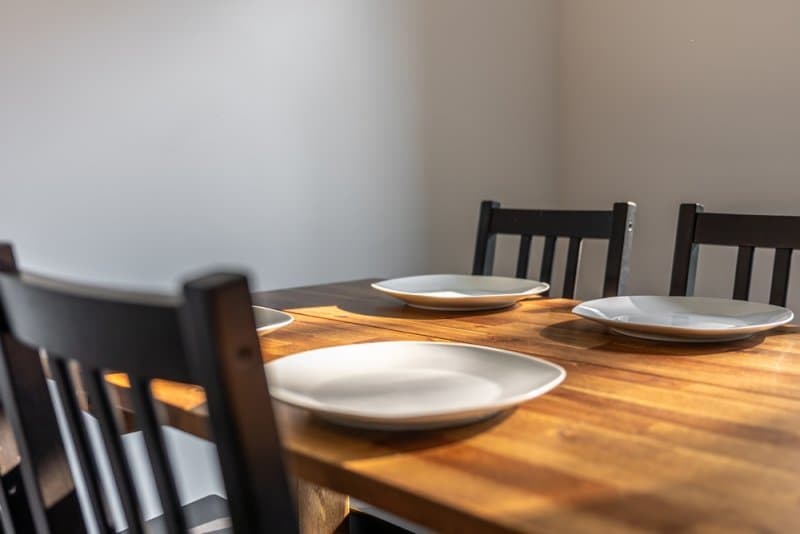
Finding the right furniture not only means you need something that goes with the room, but you also want something that can hold up in the space where you can all hang out. Acacia wood furniture is a favorite among shoppers because of the look of the material and how long it lasts.
So, is acacia wood good for furniture? Here's everything you need to know about acacia wood and whether this is the right choice for you.
Acacia wood furniture is constructed from acacia trees and acacia wood. It is a hardwood with a fine, dense grain and varies in color from natural honey to red-brown to chocolate brown to give every piece of acacia wood a distinctive look.
Though acacia wood is certainly beautiful, one of its most startling acacia wood characteristics is its hardness and ability to withstand wear and tear of moisture quite effortlessly. The natural moisture resistance allows it to stay beautiful despite regular household use. It is often used for dining tables, coffee tables, bed frames, cabinets, and outdoor furniture.
Besides its appealing looks, the furniture derived from acacia also has the ability to benefit from its natural abilities and smart designs, and as a result, it leads to all types of furniture and home accessories. Here are acacia wood furniture benefits:
The durability is one of the most prominent benefits of acacia wood furniture. It is dense, hard wood that is less likely to scratch and dent than softer woods, making it a good choice for a dining room table or a coffee table.
Adding more detail to your furniture is the fact that acacia wood can have grain patterns of waves, streaks, and color fluctuations. This means that each piece of furniture made from this material will look different. Rustic or contemporary, acacia can bring warmth to any room without much decoration.
An additional great advantage of acacia wood furnishings is that it is quite resistant to being exposed to moisture. This is what makes this kind of wood so suitable for a variety of furnishing applications. Although this is a great property to have, it is not a guarantee that your furnishings will be unaffected by standing water.
If you are wondering about the acacia furniture cost, it may cost more than some engineered wood options, but the strength makes it worth the expense. Properly designed, it can be used for many years. Its classic look is easier to adapt to new decorating styles.
Yes. One of the biggest reasons why acacia wood furniture is appealing to homeowners is its durability. Due to its density, acacia wood resists the scratches and dents of everyday household wear. Because of the density of acacia wood, it resists the scratches and dents of everyday household wear.
However, not all acacia furniture is of the same quality. It is really about the type of acacia used and the quality of the builder. Finish is important, as it creates a barrier that can shield the surface from daily wear and moisture.
How long does Acacia wood furniture last?
Acacia wood furniture is designed to stand the test of time and can last for many years if cared for well. The actual longevity depends on the timber used and the frequency of use of the furniture piece. Indoor furniture is less likely to be exposed to the environment than its outdoor equivalent.
Acacia wood naturally resists moisture, which means it is more resistant to some accidental exposure to liquid than most wood options that are not treated with a coating. This is why it is common for acacia to be used in dining room furniture and some outdoor uses.
Rain-proofing is not the same as being waterproof. Prolonged rain, even standing water, will eventually cause damage to the wood. Changes in temperature, areas of high humidity, and possible expansion or cracking are also causes for concern and should be protected against.
In the following article, we are going to explore acacia wood benefits and drawbacks so you can decide if the wood is right for your price range and lifestyle. The wood is quite beautiful and strong, but there are some minor setbacks to consider.
The correct wood furniture care doesn't require elaborate cleaning processes. Simply by maintaining it, you will be able to keep the furniture's finish and avoid minor issues becoming costly repairs. Use a soft microfiber cloth to dust the furniture and avoid scratches.
If a more thorough cleaning is needed, then a cloth slightly moistened with soap and water is appropriate (provided it is suitable for the finish). Wipe the surface dry right away, and do not use harsh chemical cleaners. Proper acacia wood furniture maintenance may include the use of coasters and placemats.
We also advise keeping furniture out of prolonged direct sunlight and away from a strong heat source. If the manufacturer recommends treating the wood with oil, treat the acacia wood furniture with an appropriate wood treatment product. Look after your acacia wood furniture for longer-lasting color and durability.
Acacia hardwood furniture is both visually appealing and durable. The grain is unique, and acacia wood is resistant to humidity; however, it does need to be shielded from too much moisture and direct sunlight.
Other than this, acacia hardwood requires little maintenance, so the pros and cons of acacia wood furniture must be taken into account before making a long-term purchase.
Acacia trees tend to have a moderate growth rate when compared to other woods like oak or maple. The impact of the Acacia tree is based on the form of collection and the source. Search for FSC-certified and eco-friendly timber when buying furniture.
Yes. As Acacia ages and with sun exposure, the timber will get lighter in places, as well as form darker, richer shades. If you keep your furniture out of direct sunlight, your furniture will remain a more consistent color.
Yes! You can stain or paint acacia wood, but it needs some prep work. Prime and paint, then sand the paint lightly, and finish with a clear coat, or prime and paint, then lightly sand if you want to highlight the grains.
Yes. Its tightly-grained nature makes acacia more suitable for dining tables that will see a lot of use, and a protective coating can also help to reduce surface staining and damage from spills.
As with all natural wood species, acacia may, in some conditions, be susceptible to wood-boring insects. The risk can be minimized through adequate seasoning and care in protective treatments. Ask about the seller's treatment for pests.
This content was created by AI