

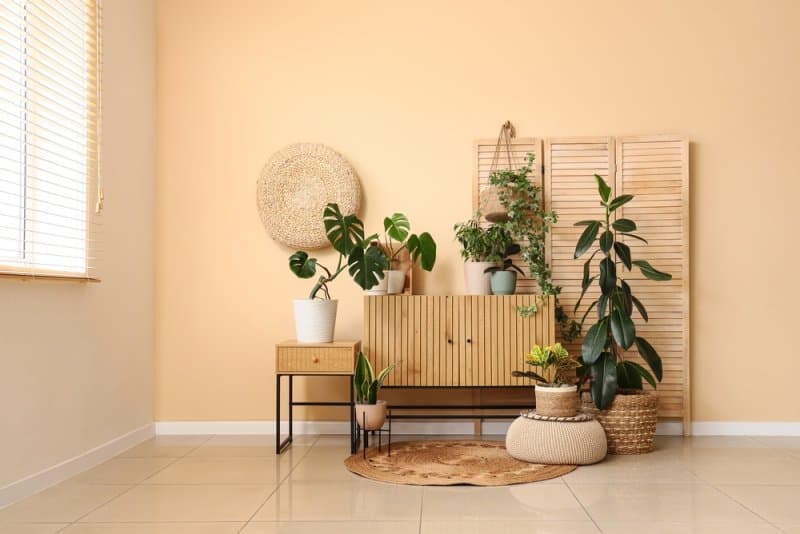
Furniture selection not only impacts the look of your home but can have an impact on the environment and your indoor air quality as well. That's why using eco-friendly furniture materials is so important.
There are tons of sustainable and hardy furniture options out there to help you craft a cozy home while still staying eco-conscious.
Eco-friendly furniture materials refer to any type of materials used in the manufacturing of furniture with a lesser impact on the environment. These could be either sourced from naturally occurring resources, or alternatively, they could be recycled or reused to reduce waste.
However, sustainability is not the sole concern of the material. The way it has been sourced and produced, the chemicals used for treatment, and the durability are also factors. Furniture produced from a sustainable source should be functional and supportive of daily activities.
There are a number of leading candidates. The best environmentally friendly furniture materials depend on what type of furniture you're shopping for and your household needs.
Reclaimed wood is wood that has been previously used. This may be from an old building, barn, or even an old piece of furniture. Furniture manufacturers do not have to cut down new timber to produce new furniture.
Additionally, because of the age of reclaimed wood, it possesses distinct grain patterns and unique markings that can bring character to your home or business interior. All of these qualities contribute to reclaimed wood being a top eco-friendly material.
Bamboo grows faster than many of the slow-producing, traditional timber species. Its strength and lightness make it ideal for use in chairs, tables, and shelving units, as well as ornamental furniture.
It's one of the most popular sustainable furniture materials because the bamboo plant is renewable. When you are buying bamboo furniture, consider the distance it was transported, the processing, the glue used, and any finish or sealant.
For those who appreciate the strength and longevity of furniture, solid wood still presents itself as an ideal. Carefully managed woods such as oak, maple, walnut, and others can deliver furniture of durability that lasts through many years.
To help ease the decision, pick sustainable wood for furniture that can be traced back to well-managed forestry and has quality sourcing certification. Solid wood furniture is also repairable, refinished, and reused rather than left in the rubbish bin when it begins to show its age.
Recycled steel and aluminum are also useful options. Chairs and table legs, shelving units, and outdoor chairs can all be made from recycled steel or aluminum.
Their strength and reusability make them suitable for long-term-use furniture. Repurposed metal can be paired with reclaimed wood to make new furniture without relying solely on newly mined materials.
The sustainability of furniture also hinges on what fabrics are used in upholstery. Organic cotton, hemp, linen, and recycled polyester are just a few options to replace the upholstery materials used in furniture.
Upholstery fabrics are perfect for use on sofas, chairs, cushions, and decorative furnishings. When comparing eco-friendly furniture options, look at the fabric you choose and where it is sourced from, and pay close attention to the dyeing process. Upholstered furniture that uses low-impact dyes and fewer chemical finishes is better for the environment.
Knowing what materials go into eco-friendly furniture allows you to peer past beautiful product explanations. A manufacturer might use multiple materials to make one item. So, a dining chair, for example, could be constructed with a solid wooden frame, recycled fabrics, and metallic fittings.
You can use other sustainable furniture materials such as cork and recycled plastic. The cork comes from the bark of cork oak trees, and they are not cut down to obtain the cork. Recycled plastic uses up unwanted products and is also often suitable for garden furniture. However, the durability of the plastic also depends on the manufacturing process.
Once you understand “what is the most sustainable wood for furniture,” you will want to know what goes into the product as a whole. For example, a sustainable piece can be made from renewable resources, but it still can be environmentally damaging if it is finished with toxic chemicals or poorly built.
Think about this before you buy:
These checks will help you to find environmentally sustainable furniture, which is also practical to compare products not simply for appearance and cost.
However, if you are interested in reducing exposure to some of these chemicals and the undesirable emissions they can cause, opt for solid wood with a few layers of paint, safely sourced bamboo, and natural fabrics for upholstery.
It is still important to check what the manufacturer uses for finish and any certifications a product has. Avoid products with adhesives, varnishes, stains, or treatments. Eco-friendly furniture aims to improve the environmental impact of a finished product, but it can also help improve indoor air quality by reducing the chemicals used.
Opting for eco-friendly furniture materials will help you realize a more sustainable living space. There are many options to consider, from reclaimed wood and bamboo to solid wood and natural fabrics to recycled metals.
When shopping for furniture, look for responsible sourcing and well-built products instead of just a good sustainability logo! Your home can be beautiful and waste less.
Absolutely! Using secondhand furniture is relatively eco-friendly, as you are reusing a product and reducing the requirement for more. Be aware of any damage, old chemical treatments, etc., when purchasing.
When shopping for environmentally friendly items, several products could be more costly as a consequence of this, but if these products are durable, it will be more cost-effective in the long run. "The initial higher price can be justified by the extra durability."
Absolutely. Alternatively, you can choose to get multi-purpose furniture, foldable tables, storage benches, and a lot more. Good quality multi-purpose furniture will not only save you space but also save you from having to buy multiple pieces of furniture.
Clean with a soft cloth and do not use chemicals or allow furniture to sit in liquid; avoid prolonged exposure to sunlight. Refinish or polish following the manufacturer's instructions.
Not always. The main focus for making handcrafted furniture more eco-friendly is 2 things. The first is how much smaller the ecological footprint will be during the manufacturing of the product, and the second is the preservation of local woodworking. Every item will be different in terms of how eco-friendly it is, depending on the type and longevity of the material.
This content was created by AI